

 Treatment journey
Negative Pressure Wound Therapy (NPWT) for Faster Wound Healing
Wound care
Specialist care for diabetic foot ulcers, pressure sores, and refractory chronic wounds.
About this treatment
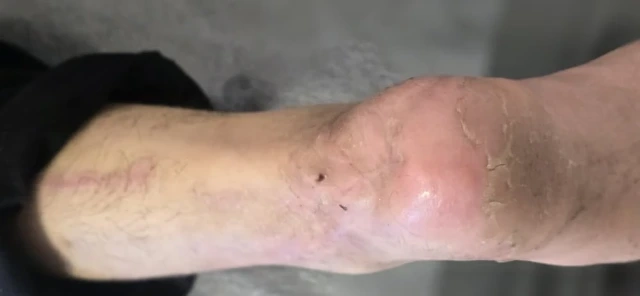
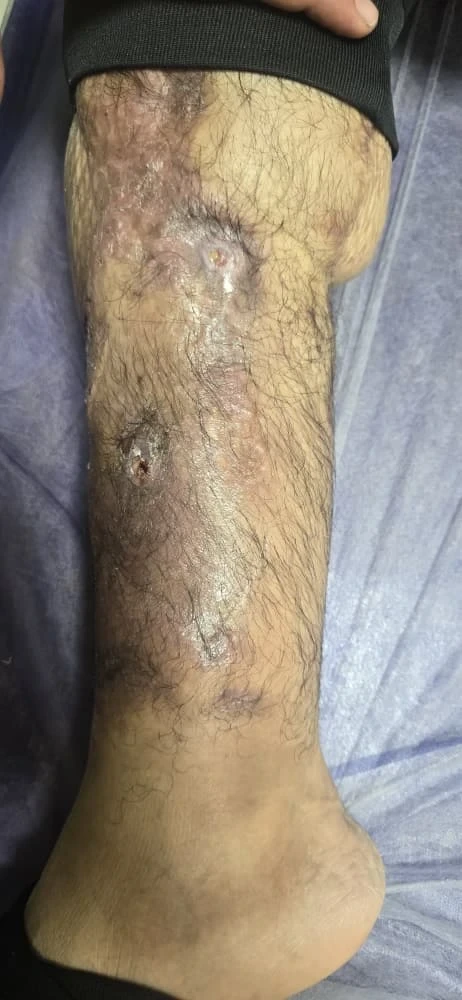
A chronic wound is rarely "just a wound" — there is almost always an underlying cause: impaired blood supply, constant pressure, infection, or uncontrolled glucose. That is why wound care at Dialine begins with a root-cause assessment: vascular status, sensation and pressure mapping, infection evaluation, and a review of nutrition and accompanying conditions.
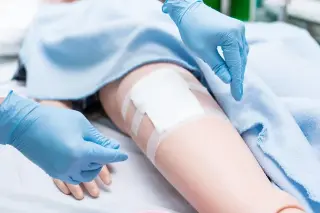
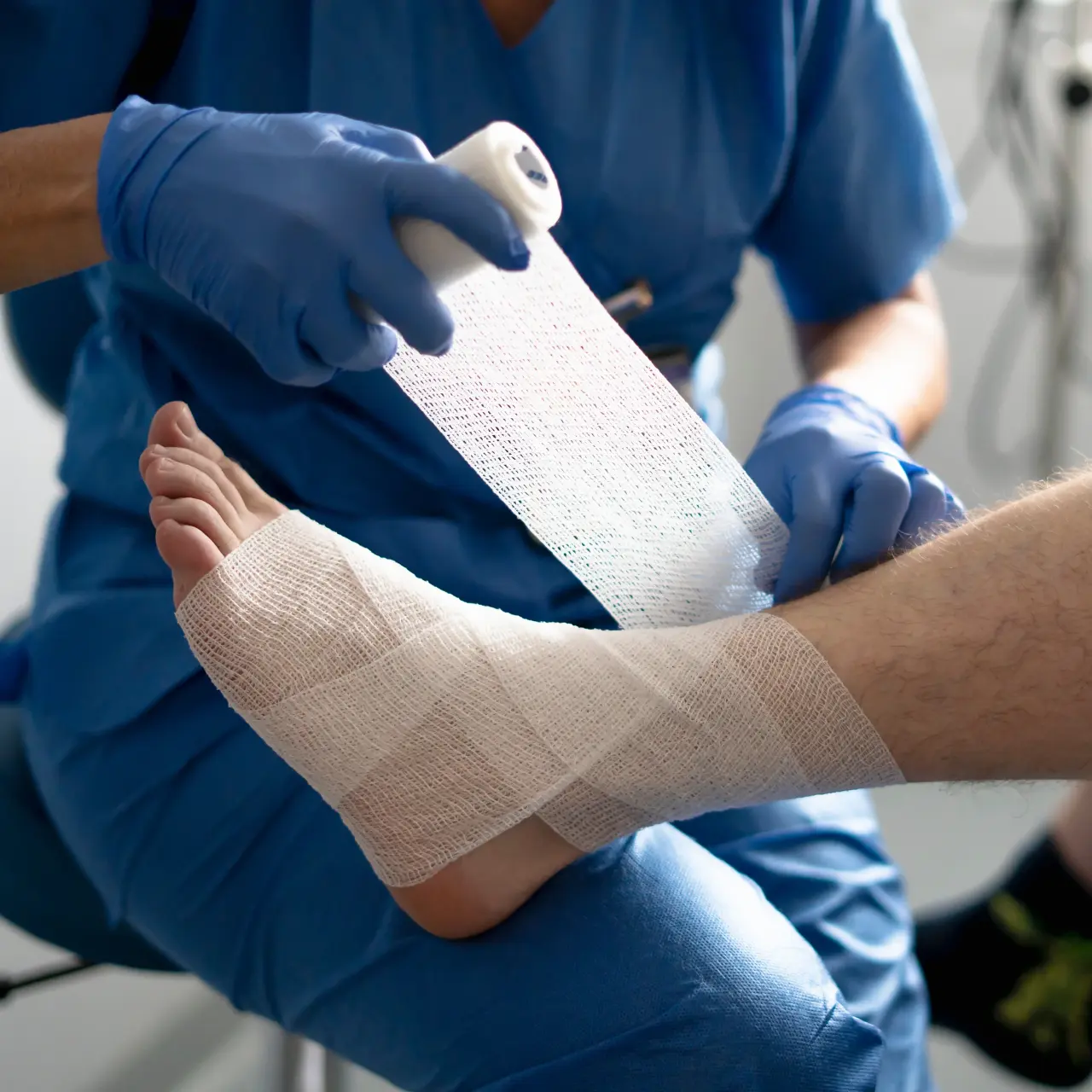
The treatment protocol follows from that assessment: debridement (removing non-viable tissue), a modern dressing matched to the state of the wound — foam, hydrocolloid, alginate, and other options — and, where appropriate, regenerative methods such as PRP. If the wound sits on a pressure point, offloading is a critical part of care — without it, even the best dressing will not succeed.
Healing is documented at every session with photos and measurements, so progress is objective and visible — for the care team and for you. Alongside treatment, you and your caregiver receive clear instructions for home care and the warning signs of infection.
Your treatment path at Dialine
The team works to keep discomfort to a minimum and uses local pain-relief measures where they are needed. Tell the team about any pain you feel.
The interval depends on the wound type and how it is healing, and it is reviewed at each stage.
Healing time depends on the underlying cause, the size of the wound, and your overall condition. We share a realistic expectation from the start.
Yes. You and your caregiver receive clear home-care instructions and the warning signs of infection.
If the wound sits on a pressure point, special footwear or a device takes the pressure off it. Without that, a dressing alone will not succeed.
Other services