Dialine

Photo & video gallery

Clinic photos and videos, treatment results, and patient recovery journeys.

Patient photos are published with their written consent.

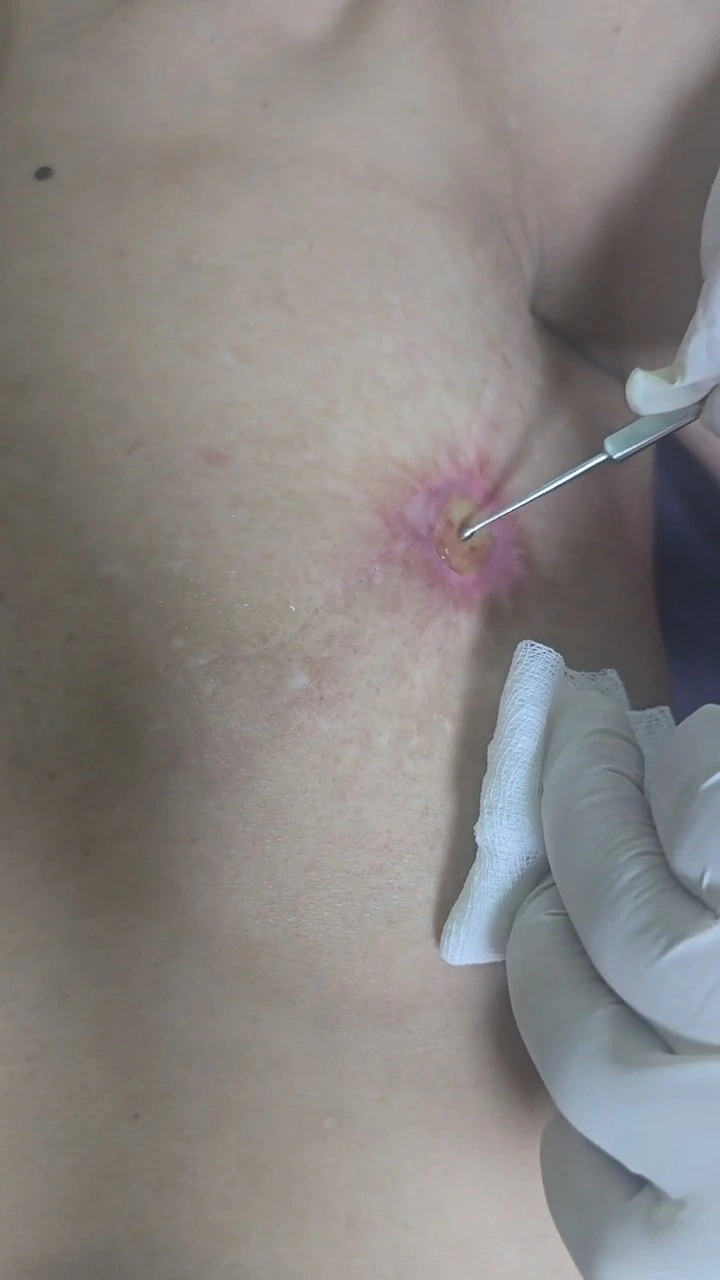
Treating a dehisced wound after mastectomy surgery
Clinic & videoSurgical WoundVideoClinical content
5 photos

Wound care

Treating a dehisced wound after mastectomy surgery

A round wound at the site of a mastectomy scar that stayed open instead of closing, its bed covered with dead tissue and fibrinous discharge. In the first session the wound was assessed and its bed debrided to remove the dead tissue and discharge; by the following session the wound bed is clean and its edges are well defined. This patient's treatment at Dialine is ongoing.
View case
View case — Treating a dehisced wound after mastectomy surgery
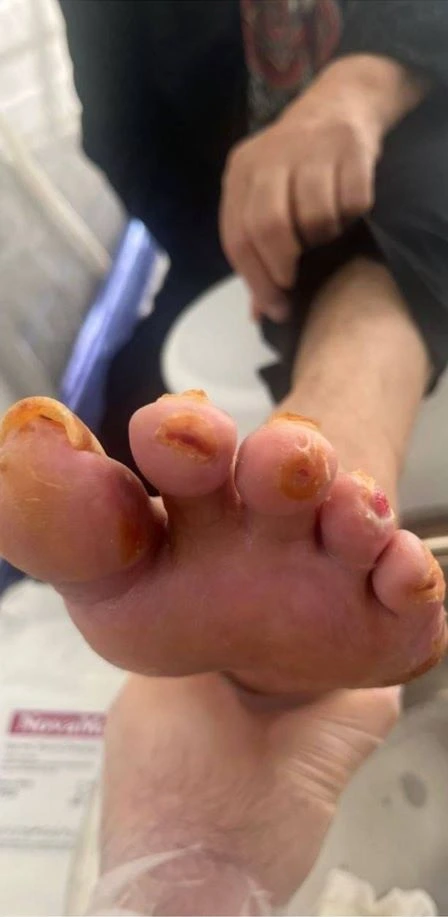
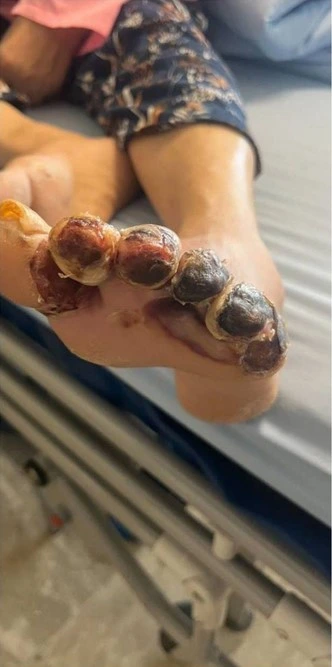
Severe Diabetic Toe Necrosis Treatment: Infection Control and Limb Salvage — AfterAfter
Severe Diabetic Toe Necrosis Treatment: Infection Control and Limb Salvage — BeforeBefore
Before & afterDiabetic Foot Ulcer

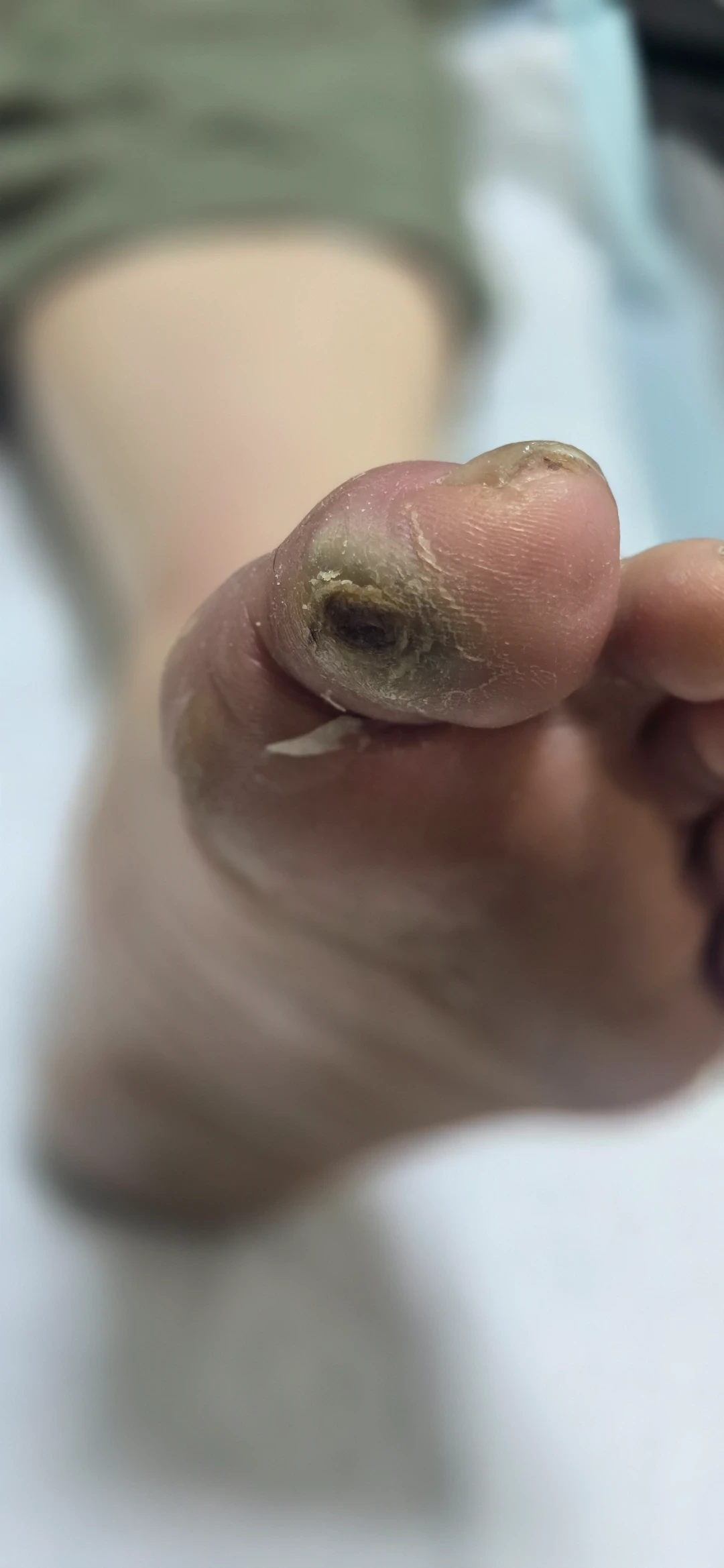
Severe Diabetic Toe Necrosis Treatment: Infection Control and Limb Salvage

Treatment of Severe Diabetic Toe Necrosis involves immediate infection control, restoring blood flow, and surgical removal of dead tissue (debridement). Advanced wound care techniques are then applied to stimulate new tissue growth and prevent amputation.

View case
View case — Severe Diabetic Toe Necrosis Treatment: Infection Control and Limb Salvage
Negative Pressure Wound Therapy (NPWT) for Faster Wound Healing
Treatment journeyVacuum Therapy (NPWT) for wound healing
2 photos

Wound care

Negative Pressure Wound Therapy (NPWT) for Faster Wound Healing

Vacuum Therapy (NPWT) uses controlled suction to drain excess fluids and infection from a wound bed. This process stimulates local blood flow, reduces swelling, and significantly speeds up the healing of complex and chronic wounds.

View case
View case — Negative Pressure Wound Therapy (NPWT) for Faster Wound Healing
Heel Wound and Skin Necrosis Treatment After Accident and Surgery
Treatment journeyAccident Wound
7 photos

Wound care

Heel Wound and Skin Necrosis Treatment After Accident and Surgery

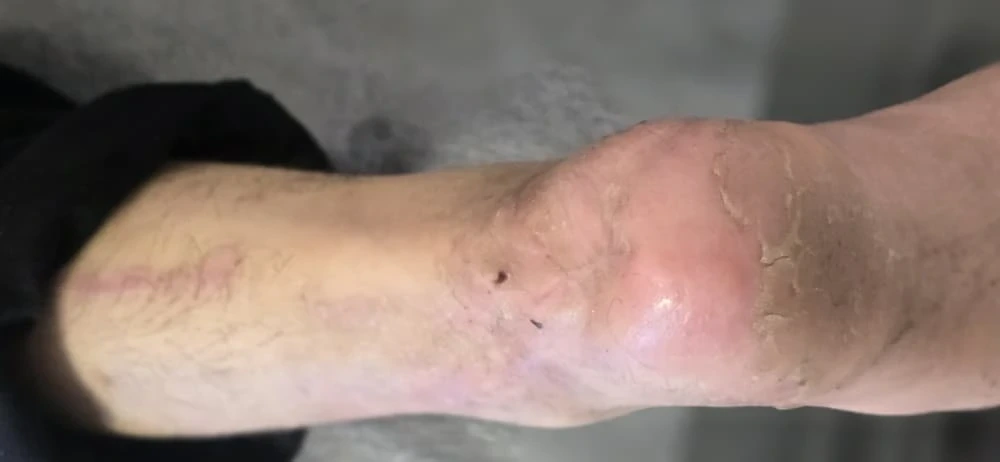
Following an accident, surgery, and prolonged hospitalization, the patient developed a wound in the heel area accompanied by skin damage and necrosis. In order to support the wound healing process and improve the condition of the affected tissue, the patient underwent a course of treatment. A total of approximately 15 treatment sessions were completed, during which the wound healing process and the patient's clinical progress were monitored.

View case
View case — Heel Wound and Skin Necrosis Treatment After Accident and Surgery
A 3-Month Journey of Diabetic Foot Ulcer Treatment
Treatment journeyDiabetic Foot Ulcer
9 photos

Wound care

A 3-Month Journey of Diabetic Foot Ulcer Treatment

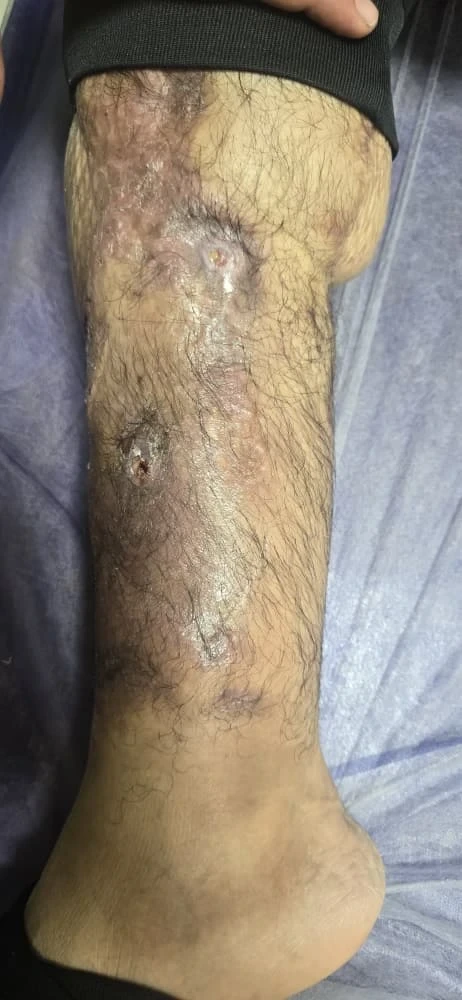
This patient, with a three-month history of a diabetic foot ulcer accompanied by infection, began specialized treatment and wound care following debridement. During the initial session, non-viable tissue was removed and the wound condition was controlled, preparing the wound bed for continued healing. During the second and third treatment sessions, a combined laser–plasma therapy and advanced dressing protocol was performed. The patient subsequently underwent regular follow-up and a staged treatment plan, allowing the wound condition, signs of infection, and development of healthy granulation tissue to be continuously assessed. The images in this gallery document the different stages of treatment and the visible changes in the wound throughout the follow-up period. This gallery will be updated as the treatment progresses, with images from subsequent sessions added accordingly.

View case
View case — A 3-Month Journey of Diabetic Foot Ulcer Treatment
Treatment of a Diabetic Foot Burn in a Patient With Severe Neuropathy
Treatment journeyBurn
12 photos

Wound care

Treatment of a Diabetic Foot Burn in a Patient With Severe Neuropathy

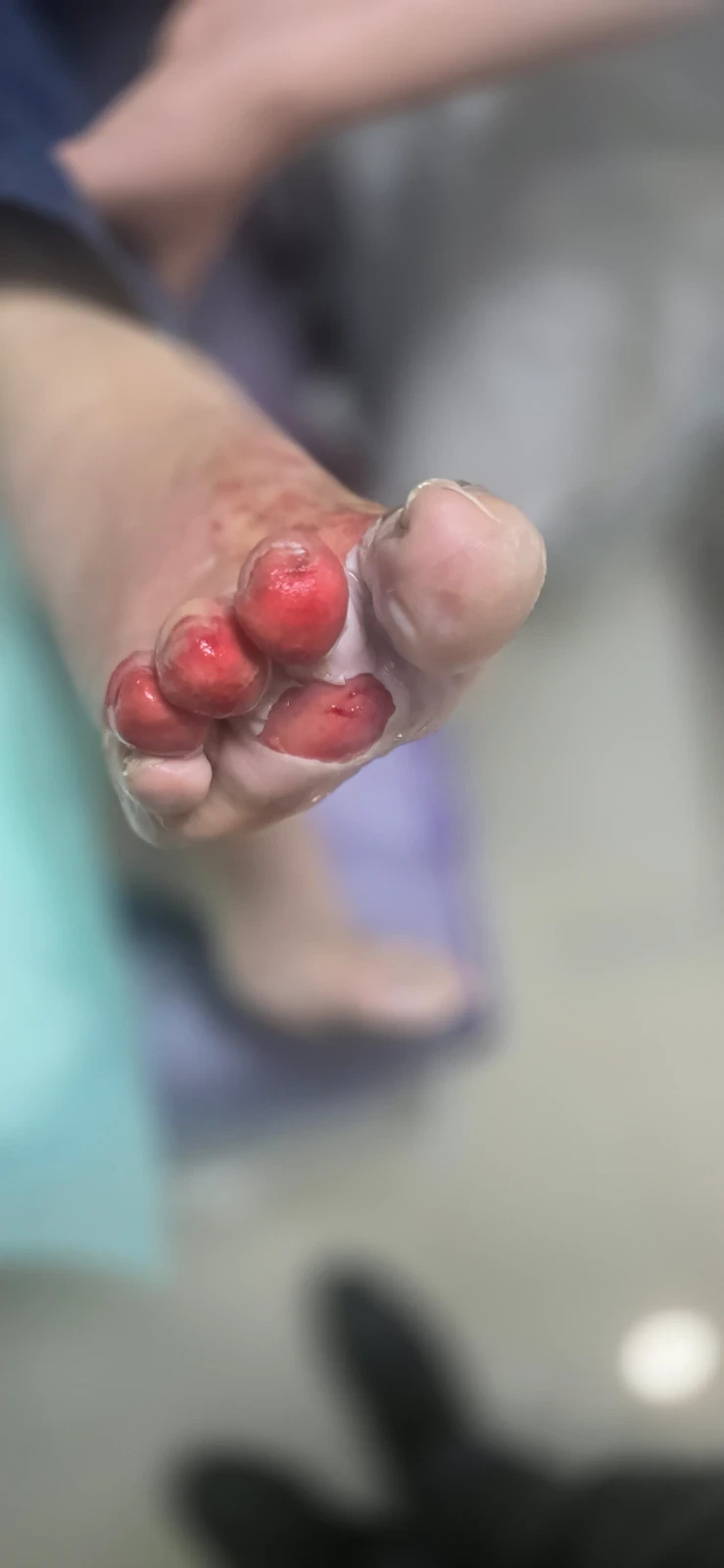
### Diabetic Foot Burn in a Patient With Severe Neuropathy This patient had diabetes and severe diabetic neuropathy with significantly reduced pain sensation. During the preparation of a religious offering meal, the patient did not notice the thermal injury to the foot because of the lack of normal pain sensation. Several hours later, the burn was recognized after the development of blisters. Reduced sensation in patients with diabetic neuropathy can allow thermal injuries to occur without the usual warning sensation of pain, potentially resulting in delayed recognition and treatment. After presentation, the affected area was clinically assessed for the extent of tissue injury, wound-bed condition, and signs of infection. Appropriate wound care and treatment were provided according to the clinical condition. The patient was subsequently followed through multiple treatment sessions to monitor wound healing, tissue recovery, and potential complications. The images on this page document different stages of the treatment and follow-up process.

View case
View case — Treatment of a Diabetic Foot Burn in a Patient With Severe Neuropathy
Photo & video gallery | Dialine Clinic