When a wound has stayed open for weeks, attention naturally goes to dressings and ointments. But closing a wound means the body has to build new tissue, and building requires materials. The short answer: enough protein, enough energy, vitamins C and A, zinc and water — and, before any of it, a body that is not undernourished.
The link between nutrition and wound healing is not a side note in clinical guidance. The ESPEN guideline and the joint EPUAP/NPIAP white paper treat nutritional assessment as part of chronic wound management itself, not something addressed after treatment. The encouraging part is that this is the one component of care a family can begin tomorrow.
Dialine is a specialist diabetes and wound clinic in Pasdaran, Tehran, and nutritional assessment is part of how we plan wound treatment. Consultation is available if you are seeking care in Tehran, whether you live here or are travelling for treatment.
Why an undernourished body heals more slowly
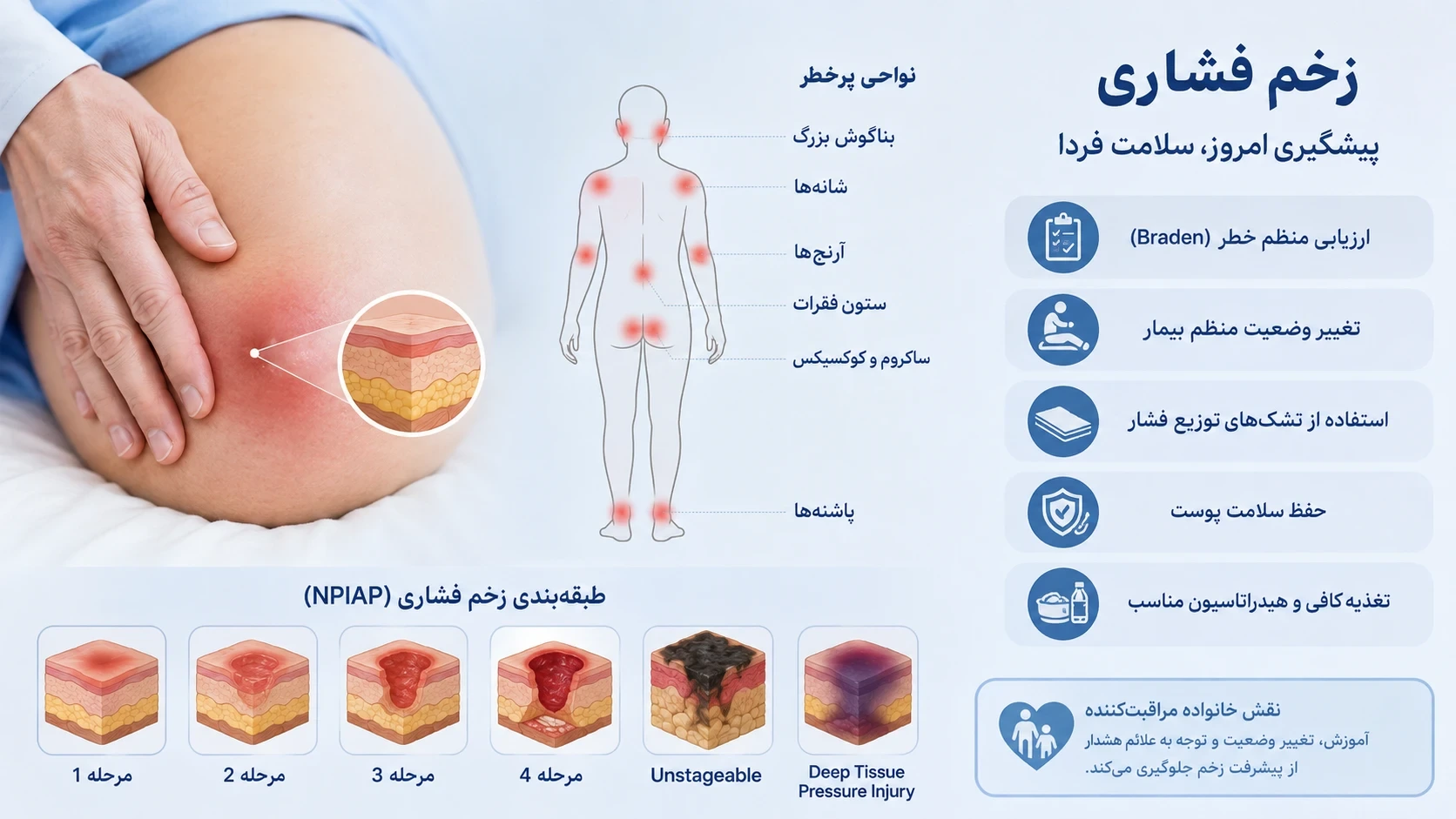
Wound closure moves through several stages: stopping the bleeding, inflammation, building new tissue, and finally strengthening it. The last three depend directly on materials. The immune cells that control bacteria are built from protein, the collagen that scaffolds new tissue is built from amino acids, and every one of these processes consumes energy.
When the body is short of supply, its priority is survival, not repair. In practice that means the inflammatory phase runs longer, the new tissue is laid down weaker, and resistance to infection falls. This is why a wound can progress slowly despite excellent dressings and careful debridement.
In an elderly patient, or in anyone whose appetite has been poor for months, the deficit is often invisible because body weight may not have changed noticeably. Simple screening tools such as MNA-SF or MUST identify malnutrition risk in under five minutes, and are best repeated at the start of treatment and periodically afterwards.
Protein — the primary building material
How much protein is needed?
A healthy adult needs roughly 0.8 g of protein per kilogram of body weight per day. With a chronic wound, that requirement rises to 1.25–1.5 g/kg/day, and in stage 3 and 4 pressure ulcers intakes of up to 2 g/kg have been recommended.
For a 70 kg patient with a chronic wound, that means roughly 88–105 g of protein per day — more than a single meat-based meal delivers, and best distributed across the day.
Where it should come from
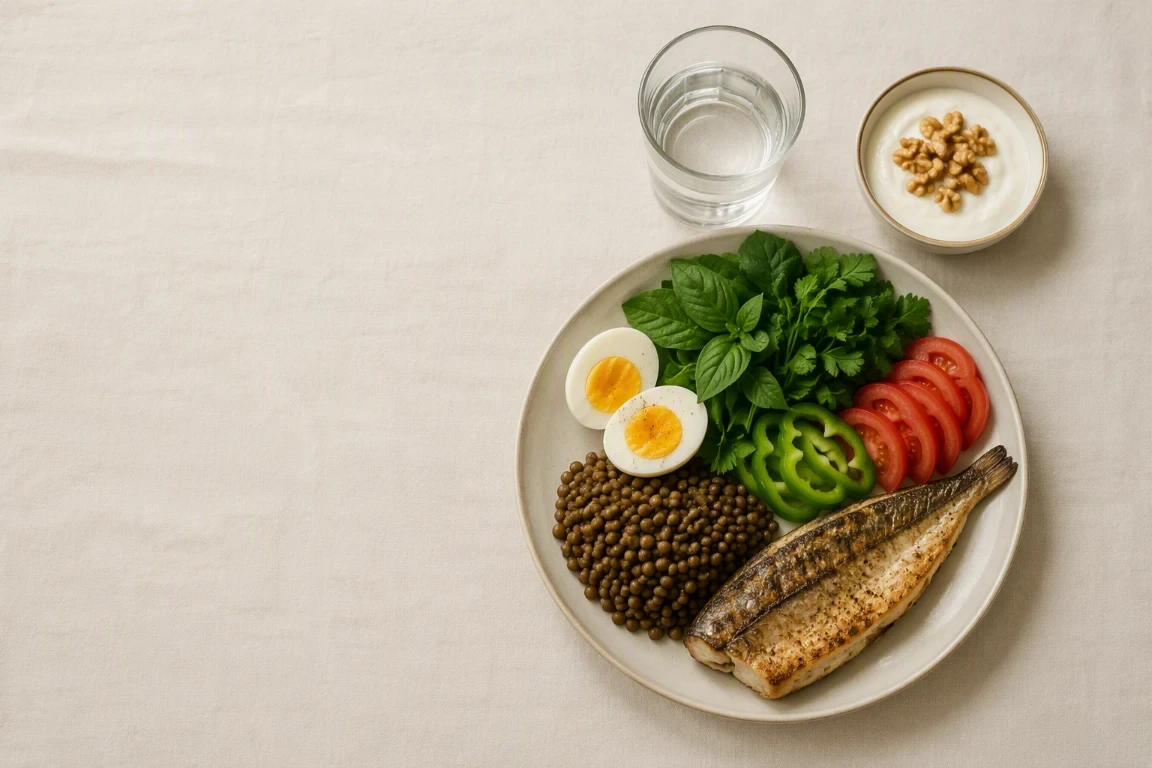
- Eggs — the most accessible and least expensive complete source
- Fish and poultry
- Legumes: lentils, beans, chickpeas — particularly where meat intake is limited
- Low-fat dairy: yoghurt, low-salt cheese, milk
- Nuts and seeds as snacks
A practical note: spreading protein across three meals and two snacks works better than concentrating it in one sitting, especially for an older patient with a small appetite.
Who should not increase protein without advice
In patients with renal impairment, increasing protein can be hazardous. If there is a history of kidney disease or the patient is on dialysis, protein intake must be set by a physician rather than from the general figures in this article.
Energy and carbohydrate — without raising blood glucose
Daily energy requirement for a patient with an active wound is generally 30–35 kcal per kilogram of body weight. If energy intake falls short, the body burns as fuel the very protein it needs for collagen synthesis — meaning the protein eaten never reaches the repair process.
For a patient with diabetes there is an added constraint: energy has to be supplied without driving blood glucose up. Choosing complex, lower-glycaemic-index carbohydrates — wholegrain bread, barley, legumes, brown rice — serves both goals at once. High blood glucose directly slows wound healing in its own right; we cover this in detail in glycaemic control and the speed of wound healing.
The key micronutrients
| Micronutrient | Role in healing | Dietary sources |
|---|---|---|
| Vitamin C | Essential for collagen synthesis; deficiency markedly slows repair | Citrus, bell peppers, kiwi, tomatoes |
| Vitamin A | Contributes to epithelial regeneration and immune response | Liver, eggs, carrots, spinach |
| Zinc | Cofactor for tissue-repair enzymes | Red meat, nuts, legumes, wholegrains |
| Iron | Oxygen transport to tissue; anaemia prolongs healing | Red meat, liver, legumes — paired with a vitamin C source for absorption |
| Vitamin D | Involved in immune response and tissue regeneration; wound-specific evidence is still developing | Oily fish, eggs, sunlight |
| Arginine and glutamine | Amino acids involved in collagen synthesis and immune-cell function | Animal protein, legumes, nuts |
An important qualification: the aim is to obtain these micronutrients from food. Supplementation becomes relevant when a genuine deficiency exists, or when the patient cannot eat enough — and then only as prescribed.
Water: the simplest thing to overlook
Even mild dehydration reduces skin perfusion and makes it harder to deliver oxygen and nutrients to the wound bed. In the absence of cardiac or renal restriction, roughly 30 ml of water per kilogram of body weight per day is recommended.
Thirst perception declines with age, so waiting to feel thirsty is not sufficient; scheduling fluid intake at set points in the day works better.
Wound-specific oral supplements — when are they actually needed?
Oral supplements containing protein, arginine, glutamine, zinc and antioxidant vitamins were shown in a randomised trial (Cereda et al., Ann Intern Med 2015) to increase the rate of pressure-ulcer closure compared with a control group.
Two caveats matter. First, that evidence comes largely from pressure-ulcer patients and cannot be extended without qualification to every wound type. Second, a supplement does not replace food; its place is where a patient cannot meet their protein requirement through ordinary meals. The decision to use these formulations belongs to a physician or dietitian, not to an over-the-counter purchase.
Cautions
- Unrestrained increases in protein can be dangerous in patients with renal failure.
- Vitamin A is toxic at very high doses.
- Long-term, high-dose zinc reduces copper absorption.
What slows healing down
- High blood glucose — impairs immune-cell function
- Smoking — reduces oxygen delivery to tissue
- Alcohol — affects both nutritional status and immune response
- Aggressive weight-loss diets during a wound — restricting energy and protein exactly when the body needs them
- Poor appetite and depression, particularly in older patients — among the most common hidden causes of malnutrition
A sample day of eating
The following is an example to illustrate the pattern, not a prescription. A patient with diabetes must have their plan adjusted to their blood glucose, weight, medication and renal status.
- Breakfast: eggs + wholegrain bread + low-salt cheese + tomato
- Snack: yoghurt + a few walnuts
- Lunch: fish or chicken + brown rice or wholegrain bread + salad with lemon juice
- Snack: a lower-glycaemic-index fruit such as apple or pear + a few almonds
- Dinner: lentil stew or another legume dish + yoghurt + fresh herbs
When to see a clinician, not just adjust the plate
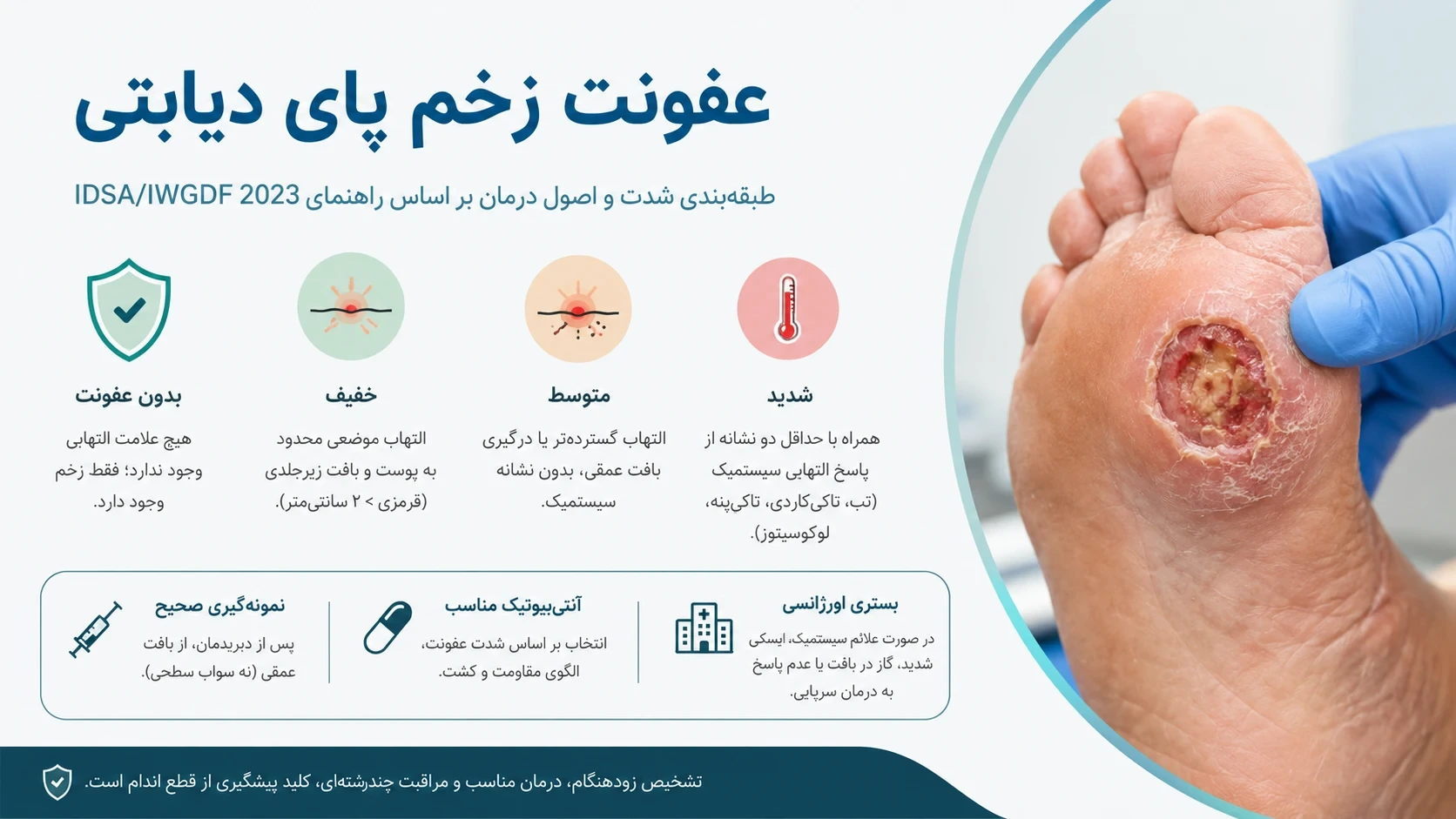
Nutrition prepares the ground for healing, but a wound that has become infected or contains dead tissue will not be treated by food. If you notice any of the following, seek wound care without delay:
- Purulent discharge or foul odour
- Redness and warmth spreading around the wound
- Fever or chills
- Sudden severe pain, or conversely, new numbness
- Blackening of the tissue around the wound
We describe these signs more fully in diabetic foot wound infection.
How treatment works at Dialine
Dialine works across four areas: diabetes, chronic wounds, scars and neuropathy. Within specialist treatment of chronic and diabetic wounds, nutrition is treated as part of the treatment plan itself rather than as advice alongside it — and the clinic provides nutritional assessment and counselling for wound patients.
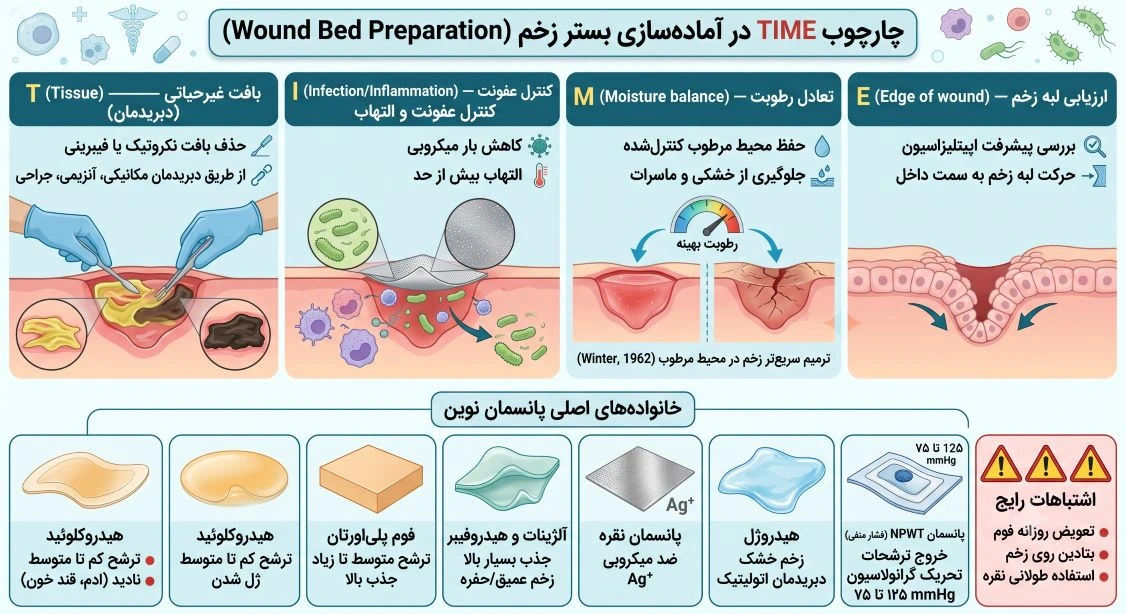
Alongside that, wound treatment methods include specialist debridement, negative pressure wound therapy (NPWT), ozone therapy, maggot debridement therapy, PRP, and home wound-care visits. Blood glucose control is managed under diabetes management, since without it no dietary plan is sufficient on its own.
If you have a wound that is healing slowly, contact Dialine in Pasdaran, Tehran for an assessment and a free consultation — by phone, WhatsApp or Instagram direct message.
Frequently asked questions
Why is my wound healing slowly despite correct dressings?
Dressings manage the wound environment, but the body builds the new tissue. If protein, energy or micronutrients are short, or blood glucose stays high, repair proceeds slowly. Other causes — infection, repeated pressure on the wound, impaired circulation — also need to be assessed.
Which vitamin should I take for wound healing?
Vitamins C and A and the mineral zinc have the best-established roles. Self-directed supplementation is not advised, however; whether a deficiency exists should be established first. In most cases a varied diet meets these requirements.
Do sugar and sweets make a wound worse?
High blood glucose impairs immune-cell function and slows repair, so simple sugars should be limited in a patient with diabetes and a wound. The goal is not to eliminate carbohydrate but to choose the right kind.
Is a high protein intake harmful to my kidneys?
In a person with normal renal function, increasing protein during wound healing is generally safe. If you have renal failure or a history of kidney disease, the amount must be determined by your physician.
Which fruit can a patient with diabetes and a wound eat?
Lower-glycaemic-index fruits such as apples, pears, berries and citrus are better choices. Portion size and timing matter too; eating fruit alongside a protein source blunts the rise in blood glucose.
Should I buy wound-specific supplements myself?
No. These formulations have been shown effective in particular patient groups and are not necessary for everyone. The choice of product, dose and duration belongs to a physician or dietitian.
What does anaemia have to do with a wound?
Oxygen reaches tissue via red blood cells, and repair does not proceed without sufficient oxygen. Anaemia, particularly iron-deficiency anaemia, can prolong healing and is worth investigating.
References
- Cereda E, Klersy C, Serioli M, et al. A nutritional formula enriched with arginine, zinc, and antioxidants for the healing of pressure ulcers: a randomized trial. Ann Intern Med. 2015;162(3):167–174. https://doi.org/10.7326/M14-0696
- Posthauer ME, Banks M, Dorner B, Schols JM. The role of nutrition for pressure ulcer management: National Pressure Ulcer Advisory Panel, European Pressure Ulcer Advisory Panel, and Pan Pacific Pressure Injury Alliance white paper. Adv Skin Wound Care. 2015;28(4):175–188. https://doi.org/10.1097/01.ASW.0000461911.31139.62
- Volkert D, Beck AM, Cederholm T, et al. ESPEN guideline on clinical nutrition and hydration in geriatrics. Clin Nutr. 2019;38(1):10–47. https://doi.org/10.1016/j.clnu.2018.05.024
- Quain AM, Khardori NM. Nutrition in Wound Care Management: A Comprehensive Overview. Wounds. 2015;27(12):327–335.
This article is not a substitute for an in-person medical consultation.
Medically reviewed by: Dr Farzad Noori