
Articles
Educational content on diabetes, wound care, scar treatment and neuropathy.
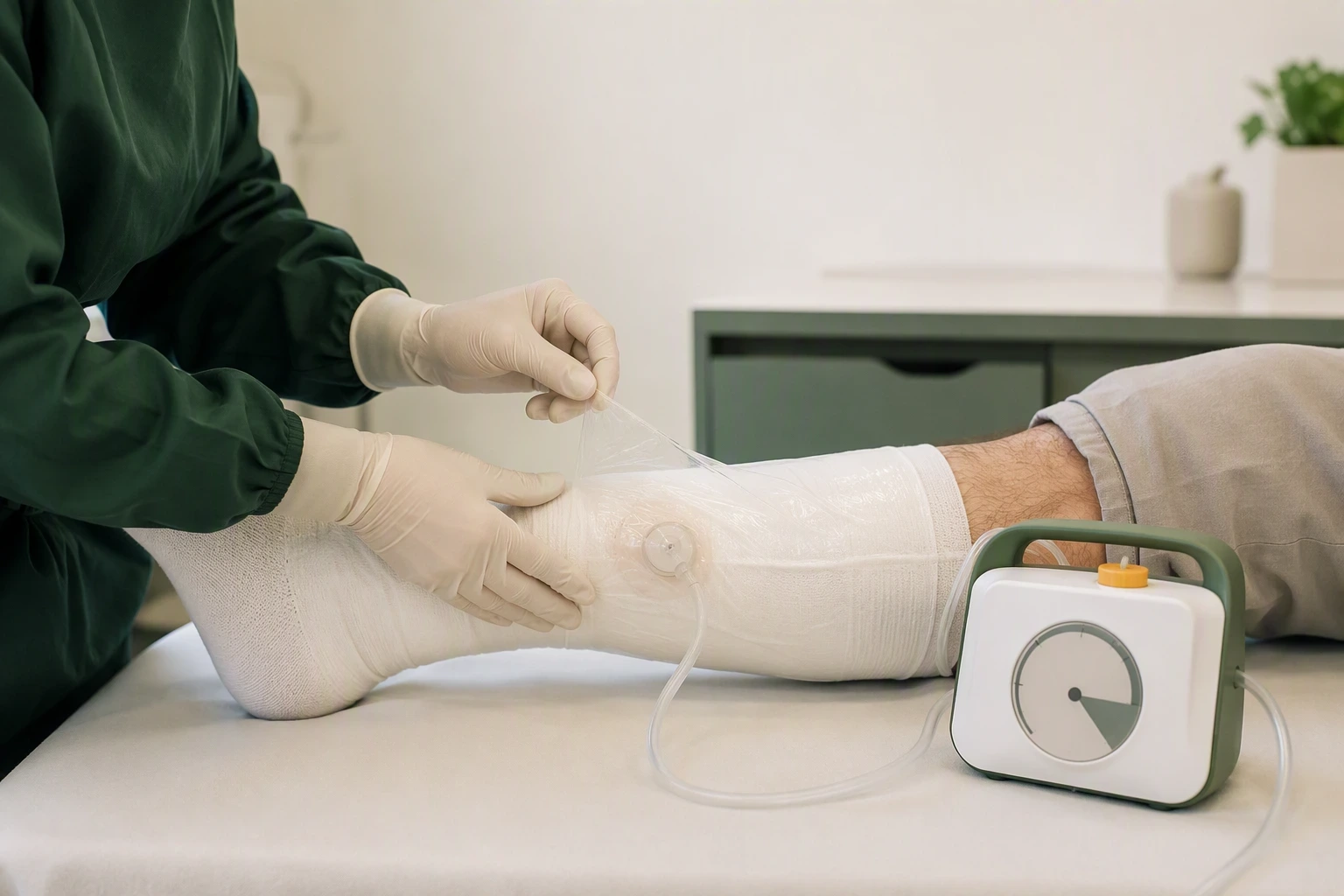
Wound Care
What Is NPWT (Vacuum Therapy) and Which Wounds Does It Suit?
NPWT (vacuum therapy) is an active dressing that uses controlled negative pressure to help close deep, complex wounds. Whether it suits your wound is explained here.
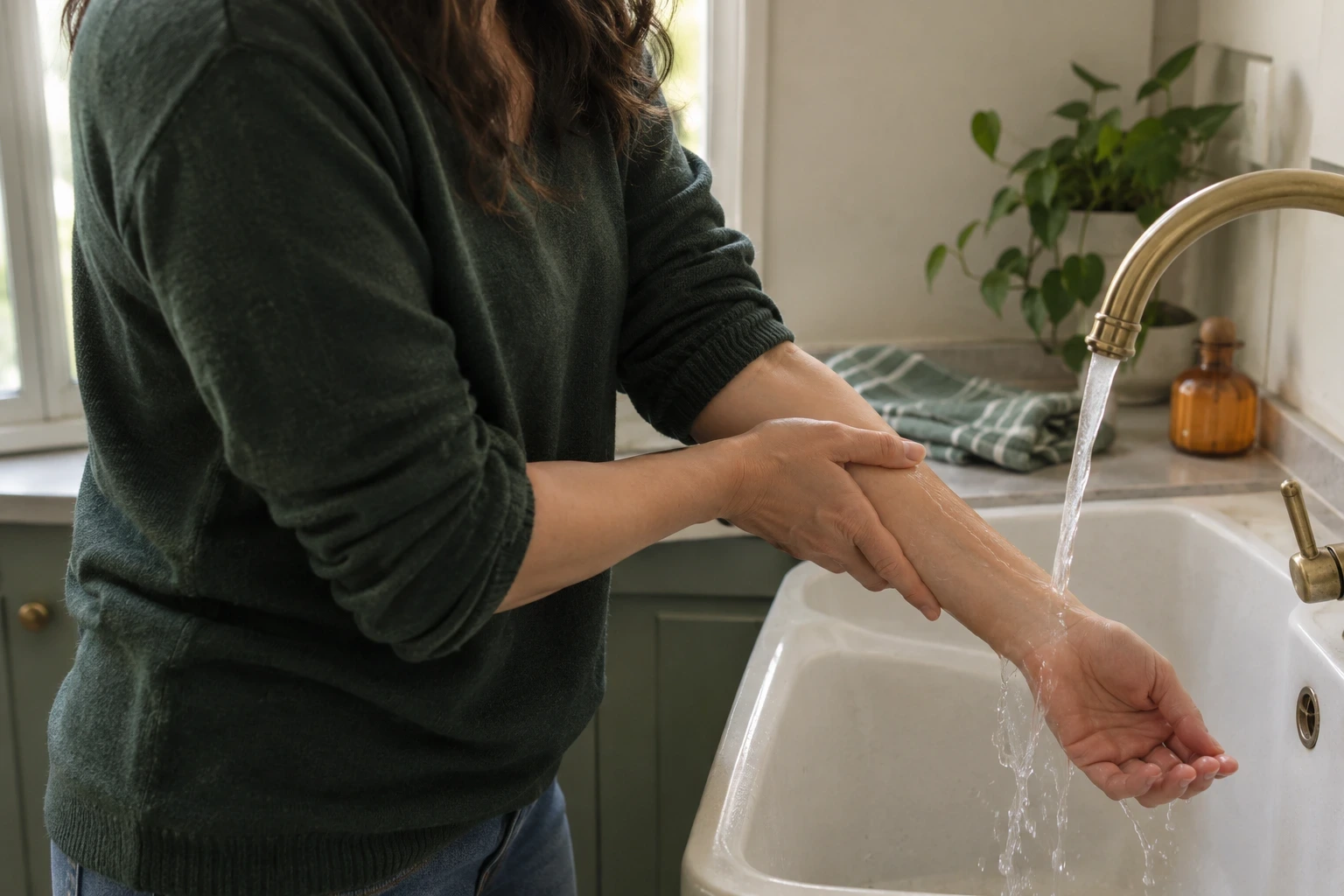
Burn wound care
Burn Degrees: How to Tell How Serious It Is, and When to Seek Care
How the skin looks, whether it has blistered and how much it hurts will tell you most of what you need. What a photograph cannot tell you is the depth, and this guide sets out where home care ends.
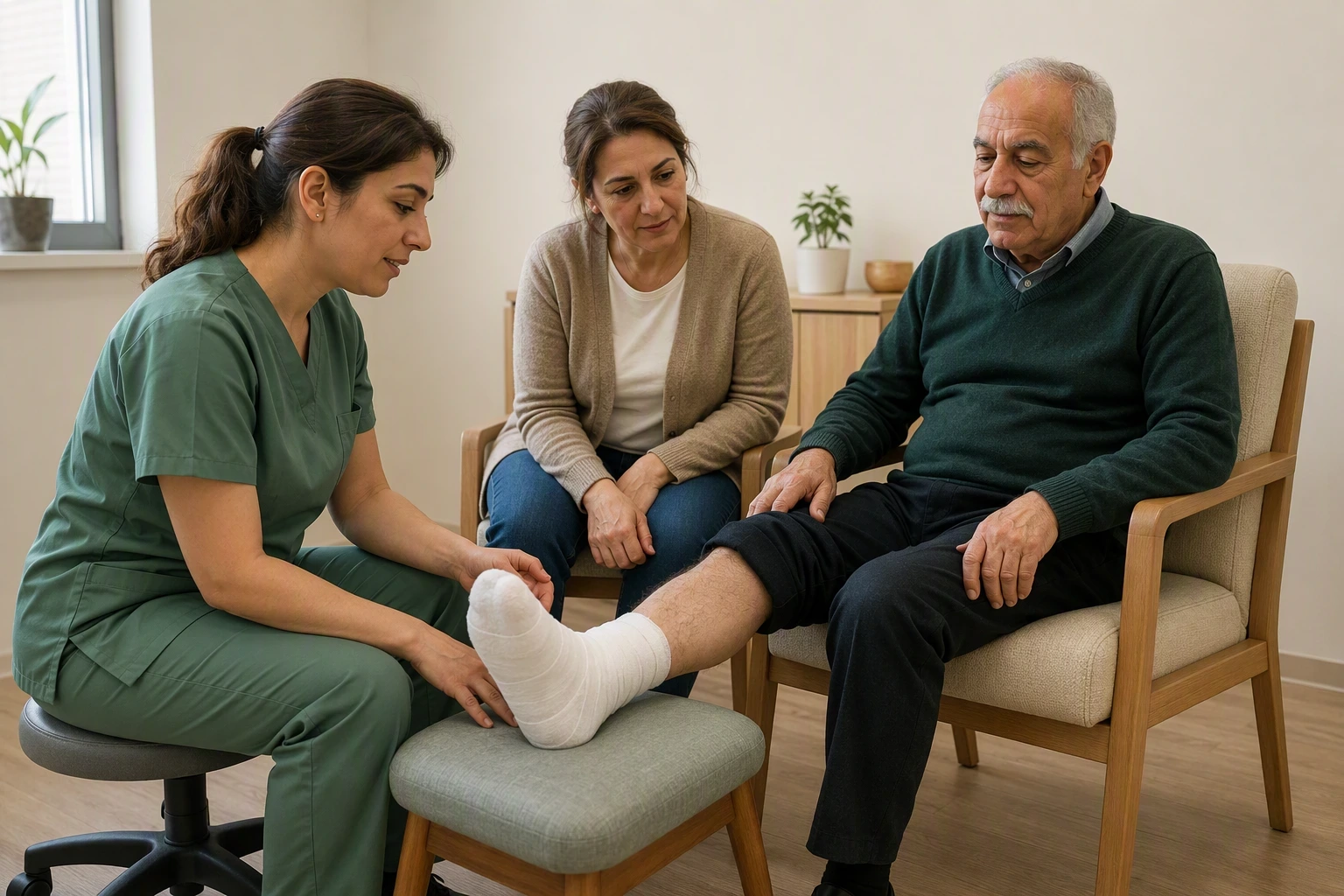
Diabetic Foot
How Long Does Diabetic Foot Ulcer Treatment Take?
There is no fixed healing time for a diabetic foot ulcer, but about four weeks is enough to tell whether treatment is on the right track. The six factors that set the timeline.
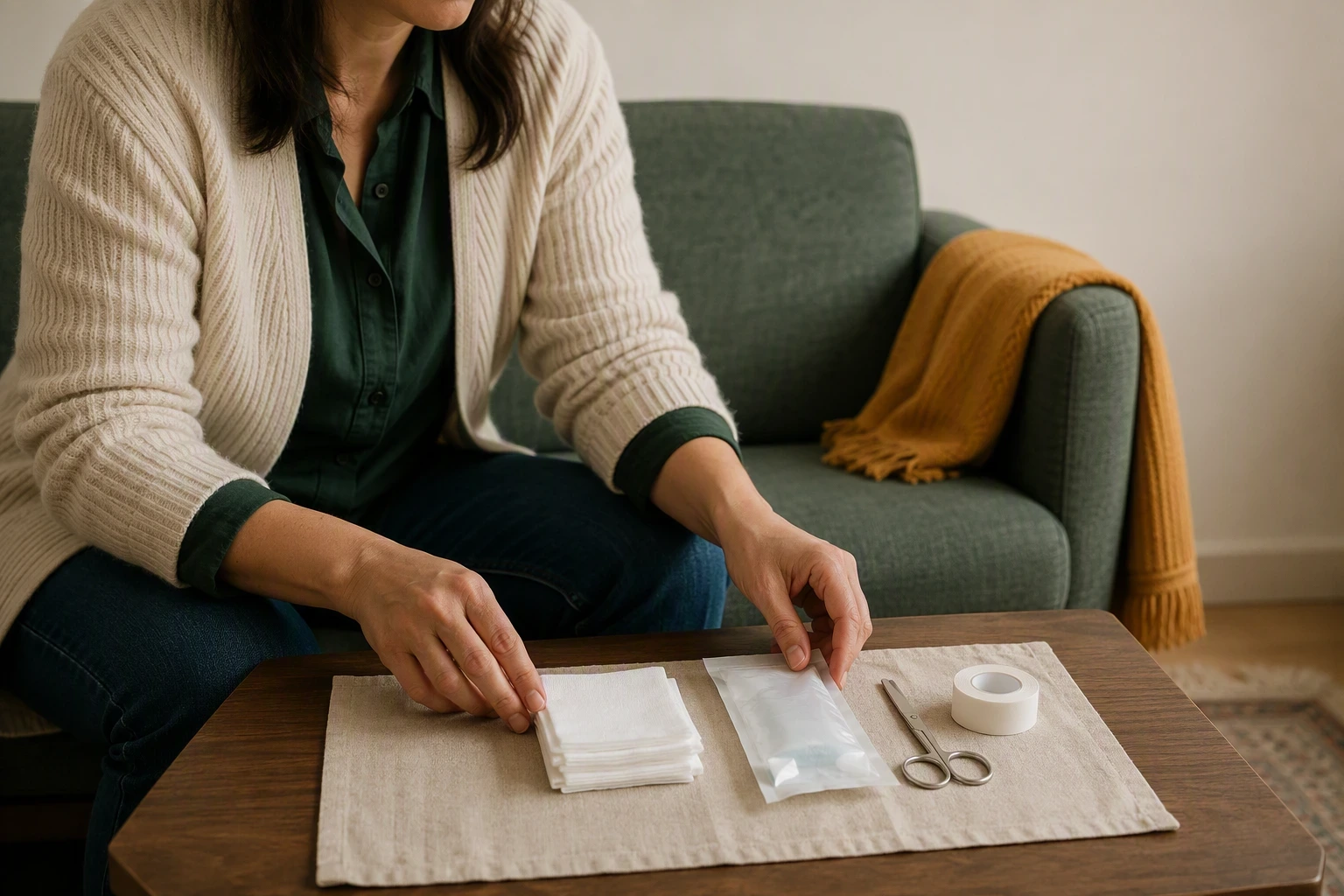
Malignant wound care
Caring for a Malignant Wound at Home: Exudate, Odour, Bleeding and Pain
The goal is not necessarily to close the wound but to control exudate, odour, bleeding and pain. A practical guide for families, and the signs that need same-day contact.
Wound Care
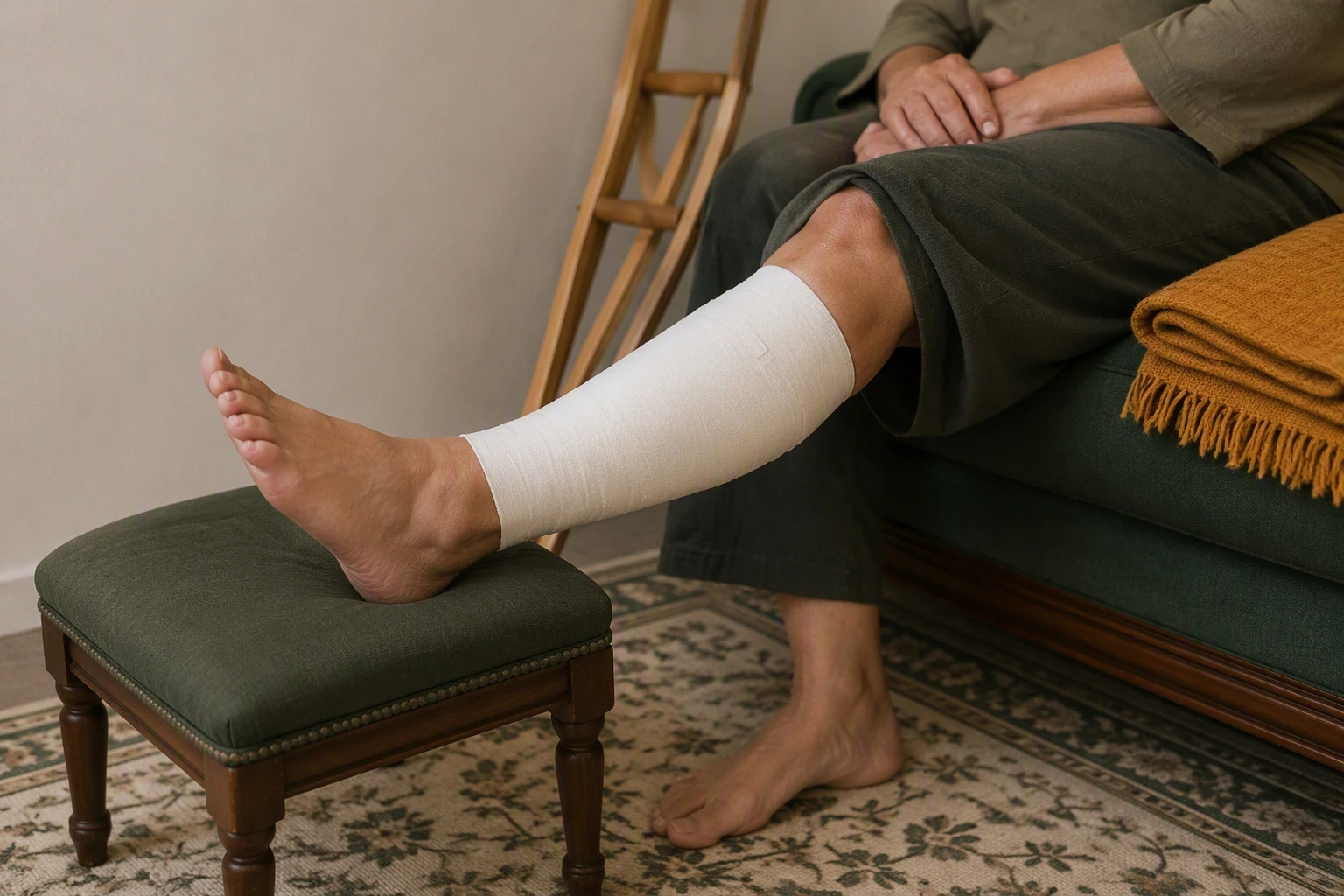
Leg Wound After an Accident: What Is Normal and What Is a Warning Sign
Most accident wounds heal with the right care. What changes the course is recognising infection, dead tissue and pressure early — none of which a photograph can show you.

Diabetic Foot
Daily Diabetic Foot Care at Home: A Step-by-Step Guide
In diabetes, a foot ulcer usually does not begin with pain — so the eye has to take over from sensation. A five-step daily home care checklist, the things you should never do yourself, and the signs that mean you need to be seen today.

Wound Care
Nutrition and Wound Healing: What the Body Needs to Rebuild Tissue
A wound that stays open for weeks is not always a dressing problem. Building new tissue takes protein, energy, vitamins C and A, zinc and water. This article covers how much, from which foods, and when to see a doctor.

Diabetic Foot
Does a Diabetic Foot Ulcer Lead to Amputation?
Amputation is the last option, not the inevitable outcome of a diabetic foot ulcer. What makes the risk real, which signs demand immediate care, and how specialist treatment works.

Scar Treatment
Scar Treatment: Evidence-Based Methods from Silicone to Laser
Scars range from minor pigmentation to thick keloid. Following the international consensus by Mustoe et al., we summarise non-invasive, injection-based and laser options.